Arabic Classes for Kids
The Arabic Classes for Kids by Quran Sheikh provide an engaging, gamified environment where children move beyond simple letter recognition to functional communication. Using interactive tools like digital whiteboards and storytelling, certified native tutors simplify complex phonetics and high-frequency vocabulary to build a natural, native-like rhythm.
The curriculum is specifically designed to foster a deep connection to both the language and Islamic heritage, ensuring young learners gain the confidence to speak and understand Arabic in their daily lives.



What Kids Will Learn in Online Arabic Classes?
The online Arabic classes for kids at Quran Sheikh focus on delivering clear, practical results by blending linguistic training with fun, interactive activities.

Mastery of Arabic Phonetics
Children achieve a native-like rhythm and flawless pronunciation of all 28 Arabic letters, ensuring a strong foundation for both speech and Quranic recitation.

Situational Verbal Fluency
Students gain the ability to conduct basic conversations in real-life scenarios, such as giving self-introductions, expressing feelings, and discussing family or hobbies.
Reading and Writing Proficiency
Beyond just speaking, kids learn to identify letter shapes, join them into words, and eventually write complete sentences and short paragraphs with accuracy.

Direct Quranic Connection
By acquiring a high-frequency vocabulary, children begin to recognize and understand common words found in the Quran, fostering an early spiritual bond with the text.
Cognitive and Cultural Growth
Learners develop enhanced problem-solving skills and a sense of belonging to the global “Ummah” by understanding the social etiquette and values embedded in the language.
📖 Customised Curriculum of Children’s Arabic Program
The online Arabic classes for toddlers focus on delivering clear, practical results by blending linguistic training with fun, interactive activities.
Proficiency of Arabic Phonetics
Children achieve a native-like rhythm and flawless pronunciation (Makharij) of all 28 Arabic letters, ensuring a strong foundation for both speech and Quranic recitation.
Situational Verbal Fluency
Students gain the ability to conduct basic conversations in real-life scenarios, such as giving self-introductions, expressing feelings, and discussing family or hobbies.
Reading and Writing Accuracy
Beyond just speaking, toddlers learn to identify letter shapes, join them into words, and eventually write complete sentences and short paragraphs with accuracy.
Direct Quranic Connection
By acquiring a high-frequency vocabulary, children begin to recognize and understand common words found in the Quran, fostering an early spiritual bond with the text.
Cognitive and Cultural Growth
Learners develop enhanced problem-solving skills and a sense of belonging to the global “Ummah” by understanding the social etiquette and values embedded in the language.

Start Your Arabic Classes for Kids by Quran Sheikh Today!
🎓 3 Levels of Our Online Kids’ Arabic Course
The Arabic Lessons for Children are structured into three progressive stages.
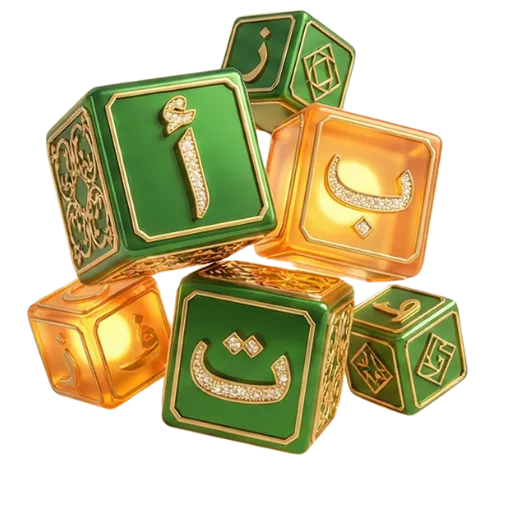
Foundation and Phonetics
Students master the Arabic alphabet through the Noorani Qaida method, focusing on precise articulation points to develop a native-like accent. This stage covers letter shapes, vowels, and basic reading mechanics to help children form their first simple words.
Intermediate Reading and Vocabulary
Children move into complex word structures and sentence formation while building a vocabulary centered on family, school, and daily life. The curriculum introduces essential reading rules like Tanveen and Sukoon, enabling students to read short phrases with increasing fluency.

Advanced Recitation and Conversation
This stage refines speaking and recitation skills through situational dialogues and spontaneous speech practice. Students learn to express hobbies and personal details in full sentences while mastering melodic Quranic recitation and the memorization of short Surahs.
Outcomes of Arabic Lessons for Toddlers
,ح.These lessons are designed to focus on sensory-based learning and phonetic familiarity.,ظح.
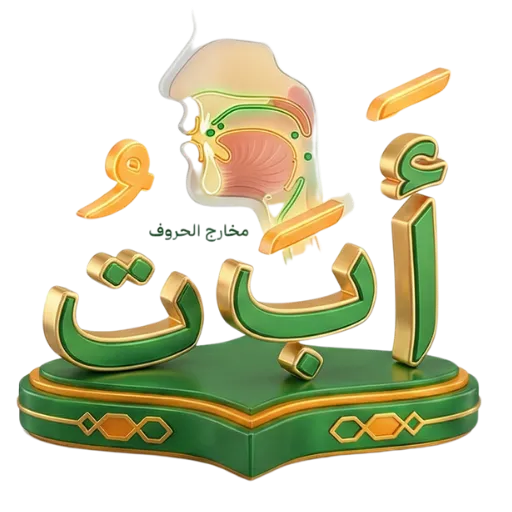
Phonetic Familiarity and Accent Foundation
Toddlers develop a natural ear for the unique sounds of the Arabic language, mastering the correct articulation points before speech patterns become fixed.
Basic Vocabulary Recognition
Through play-based learning, children begin to identify and name common objects, colors, animals, and family members in Arabic.
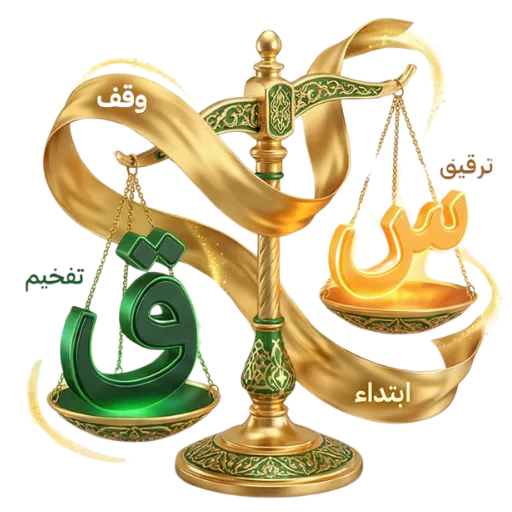
Visual Letter Association
Using colorful, interactive tools, toddlers learn to distinguish the shapes of the Arabic alphabet in their isolated forms.

Introduction to Islamic Etiquette
Children begin to use and understand essential daily phrases such as Assalamu Alaikum, Bismillah, and Alhamdulillah in their proper contexts.
Hand-Picked Azhari Tutors
Why learn with anyone else when you can learn from the masters? Our selection process is rigorous to ensure your success.
-
Al-Azhar GraduatesExpert tutors graduated from Al-Azhar University.
-
Ijazah HoldersAuthentic learning with connected Ijazah Sanad.
-
Fluent EnglishEasy communication with fluent English speakers.
-
Kids SpecialistsFun and patient teaching style for kids.
 ⭐ Top Rated
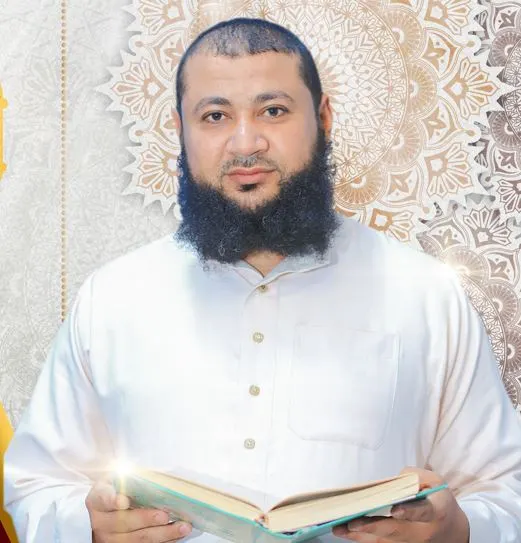
Sheikh Hamdy El-Soussy
Quran & Qira’at ExpertA highly respected Al-Azhar graduate with a High Sanad. Specialized in 10 Qira’at and teaching advanced Tajweed rules.
View Profile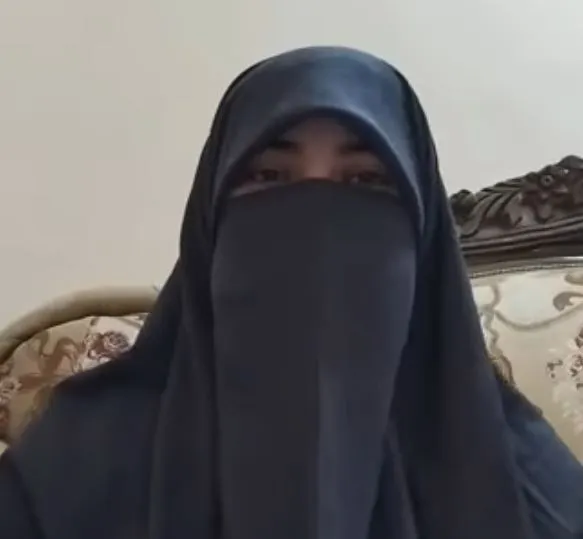 🧸 Kids Expert
T. Safaa Negm
Tajweed for Kids & WomenPatient and engaging female tutor. Uses interactive methods to make Quran memorization fun and easy for kids.
View Profile 📜 Ijazah Holder
Sheikh Ahmed El-Laithi
Hifz & Revision MasterCertified Ijazah holder focused on solid memorization (Hifz) and revision techniques to fix pronunciation mistakes.
View Profile ✨ Tajweed Pro
T. Lubna Salah
Advanced Tajweed & TarteelExpert in Tarteel and Tajweed. Ideal for sisters looking to master recitation rules with a fluent English speaker.
View Profile 🎓 Azhari
Sh. Ahmed Abdel-Nabby
Quran MemorizationDedicated Al-Azhar tutor passionate about teaching Noorani Qaida and Quran basics to non-Arabic speakers.
View ProfileSee What Our Students Say
Don’t just take our word for it. Watch genuine reviews from students and parents around the world.
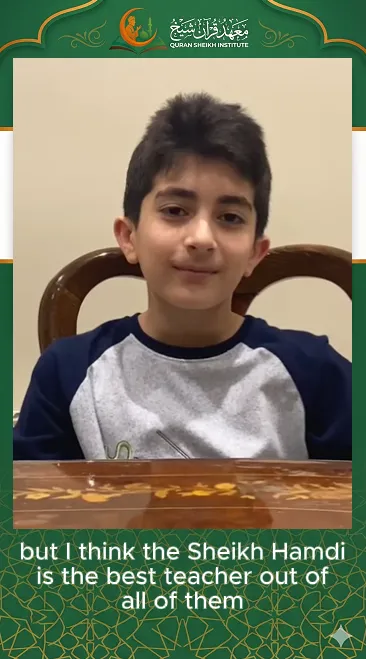
Mohamed salhy, UK 

“Mohammed achieved remarkable progress in Quran thanks to the patience and kindness of Sheikh Hamdy.”
Baraa, Norway

“Baraa happily progressed in Quran Hifz & Islamic Studies with the excellent, patient, and loving Tutor Lobnah.”
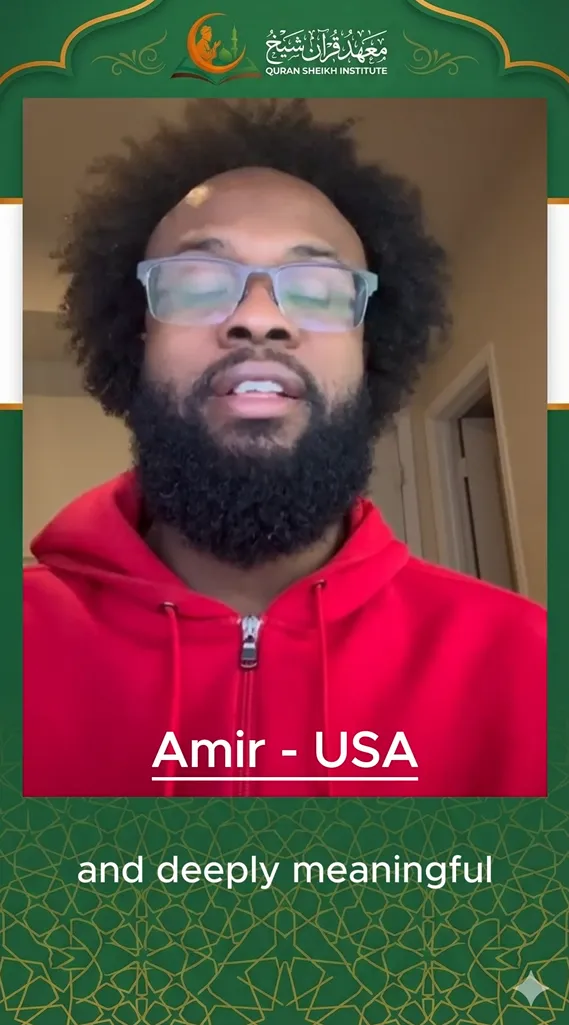
Amir –

“A deeply meaningful experience where hearts connect through genuine care, spiritual authenticity, and unmatched teaching excellence.”
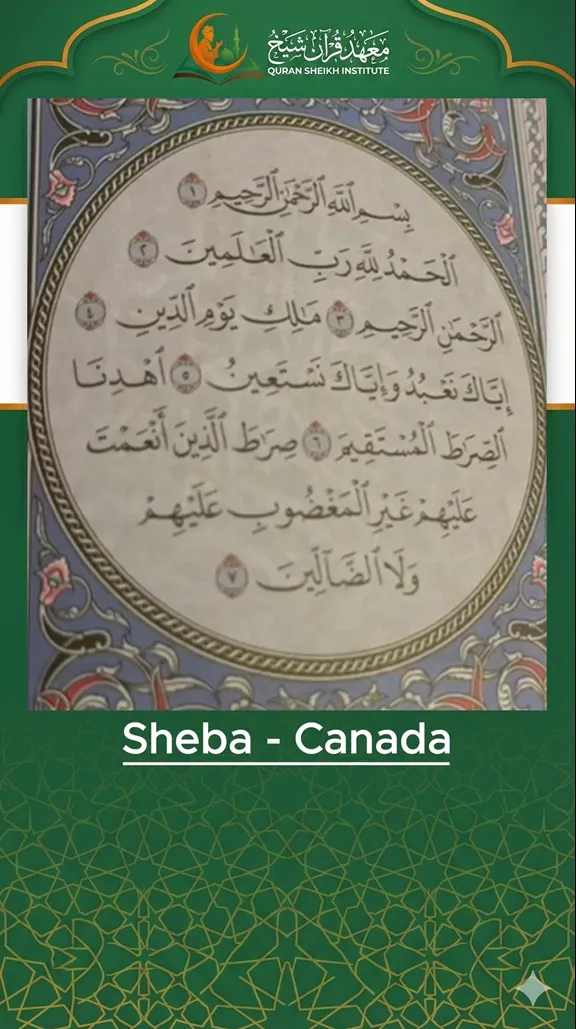
Sheba Malik, Canada

“Sheba praises Teacher Safaa for offering exceptional flexibility and a tailored plan for busy schedules.”

Abdullah Azizi, UK
“Achieved more in six months than four years elsewhere through fun, structured, and engaging lessons.”

Enroll In Arabic Classes for Kids Today!
More than Just Arabic Classes, It’s a Journey!
Selecting the right platform for your child’s linguistic and spiritual journey is essential.
LMS Portal
Parents and students have access to a dedicated Learning Management System (LMS) where they can easily track progress, record live lessons for revision, and manage their schedules in one place.

Real-Time Progress Tracking
Receive detailed daily and monthly performance reports. These visual updates include charts and feedback from tutors, ensuring you are always connected to your child’s milestones.

Gamified Learning Experience
To keep young minds engaged, the curriculum incorporates “Learn through Play” philosophy with digital badges, stars, and interactive “Quran Quests” that turn education into an adventure.

Interactive Games and Quizzes
Lessons are reinforced through educational games, puzzles, and weekly quizzes that test knowledge in a fun, low-pressure way, helping with long-term retention.
Oral and Written Tests
Students participate in structured weekly assessments and periodic competitions. These evaluations help identify areas for improvement while building the child’s confidence in public recitation.

Official Completion Certificates
Upon successfully finishing a level, children are awarded certificates signed by their supervisors and teachers, providing a tangible sense of achievement and pride.

Expert Azhari Tutors
All classes are led by native Arab instructors who graduated from Al-Azhar University. They are specialists in child pedagogy, ensuring a patient, fun, and supportive environment.

Multimedia Integration
The platform uses modern digital tools, including interactive whiteboards for tracing letters, color-coded Tajweed slides, and animated videos to cater to visual and auditory learners.
Frequently Asked Questions
How can I track my child’s progress?
Parents have full access to a dedicated LMS (Learning Management System) Dashboard. This portal provides real-time tracking of completed lessons, attendance, and weekly performance reports, allowing you to see exactly which milestones your child has reached.
Are there interactive elements like games or quizzes?
Yes, the curriculum is fully gamified. To keep young learners engaged, we integrate interactive games, digital puzzles, and weekly quizzes that turn lesson reviews into fun challenges, helping to improve long-term memory retention.
Will my child receive a certificate?
Absolutely. Upon the successful completion of each level, your child will be awarded an official Certificate of Achievement. This serves as a formal recognition of their hard work and helps boost their confidence as they progress to the next stage.
What kind of tests and assessments are conducted?
We use a blend of oral and written assessments to ensure a well-rounded understanding. Periodic tests are scheduled through the platform to evaluate pronunciation, vocabulary, and reading skills, with the results immediately updated in the parent portal.
What technical tools are used during the lessons?
The program utilizes advanced multimedia tools, including interactive whiteboards for letter tracing, colorful PowerPoint slides, and animated videos. These tools are designed to cater to different learning styles, visual, auditory, and kinesthetic, making the virtual classroom highly effective.