

The “Miniature” Secret of Long Vowels! 🤏✨
Welcome to Lesson 7. You know the short vowels (Fatha, Kasra, Damma). Now, imagine stretching them like an elastic band!
In this lesson, we meet the “Standing Movements” (Al-Harakat Al-Qaimah). These are tiny symbols that act exactly like big Madd letters. They tell you: “Stop! Don’t rush. Stretch this sound for 2 seconds.”
Small Alif ( ٰ ) = Big Alif ( ا )
Small Ya ( ٖ ) = Big Ya ( ي )
Small Waw ( ٗ ) = Big Waw ( و )
Ready to master the art of stretching? Let’s begin! 👇
📖 Practice: Standing Fatha (ـٰ)
Start from the right. Stretch every letter: Baaa, Taaa, Thaaa…
‘Aaa
Baaa
Taaa
Thaaa
Jaaa
Haaa
Khaaa
Daaa
Thaaa
Raaa
Zaaa
Saaa
Shaaa
Saaa
Dhaaa
Taaa
Zhaaa
‘Aaa
Ghaaa
Faaa
Qaaa
Kaaa
Laaa
Maaa
Naaa
Waaa
Haaa
Yaaa
📺 Watch the Full Lesson: Listen & Repeat

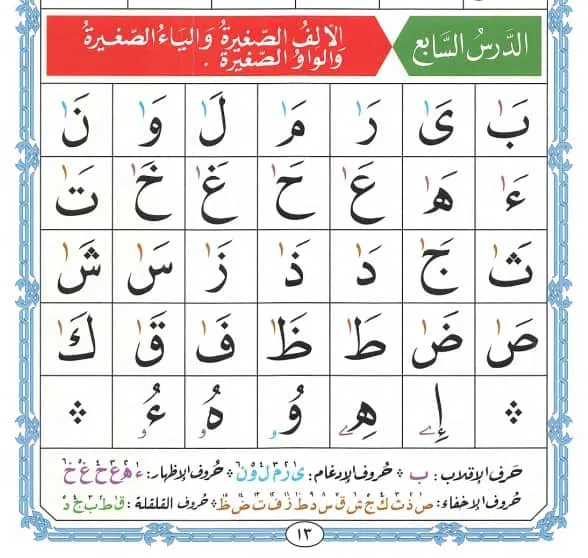
The 3 Standing Signs 🚦
They look small, but they sound LONG.
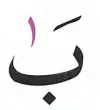
Standing Fatha
(Alif Sagheera)
A small vertical stroke ABOVE the letter.
Pull sound UP (2 counts).

Standing Kasra
(Ya Sagheera)
A small vertical stroke BELOW the letter.
Pull sound DOWN (2 counts).
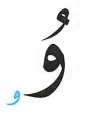
Inverted Damma
(Waw Sagheera)
A small upside-down comma.
Round lips (2 counts).
💡 Golden Tips for Lesson 7
1. The “Two Fingers” Trick ✌️
How do you measure 2 counts? Simple! Open two fingers at a normal speed (1.. 2). That is exactly how long you should hold the sound of the Standing Fatha.
2. Don’t Drop the Ending
When you stretch the sound (e.g., Maaa), make sure the sound stays strong until the very end. Don’t let it fade away or change pitch.
3. The “Ya” Chair
Sometimes you will see a Standing Fatha sitting on top of a Ya ( ىٰ ). Ignore the Ya! It is just a chair. Pronounce the Standing Fatha only (as an Alif).
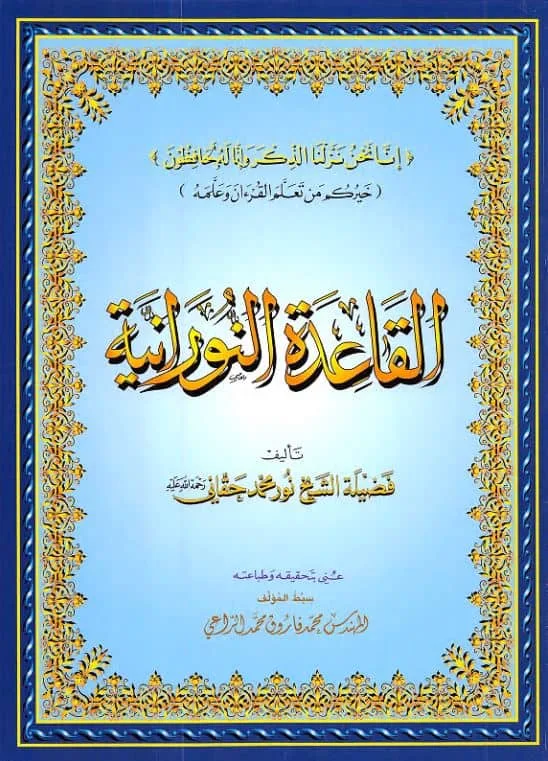
📥 Take the Classroom Home
Download the Complete Noorani Qaida PDF (Free)
Don’t let the learning stop here. Get the exact book used by our Sheikhs. High-quality, clear script, and perfect for offline practice on any device.
- ✅ Crystal Clear Arabic Script
- ✅ Compatible with Mobile & Tablet
- ✅ 100% Free for Students
File size: Lightweight & Fast (PDF)
🎓 For Teachers: Advanced Insights
1. Why “Standing” Movements?
2. Pronunciation Consistency
Master the Art of Quran Recitation
Don’t rely on self-study alone. Get your pronunciation checked by a certified Al-Azhar Sheikh today.
- ✨ 1-on-1 Live Private Session
- ✨ Native Arab Tutors (Male & Female)
- ✨ 100% Free Evaluation – No Commitment
🔒 No Credit Card Required
💬 Common Questions About Lesson 7
Expert answers to master the Standing Movements.
What exactly are “Standing Movements”?
They are small vertical symbols (Alif, Ya, Waw) used in the Quranic script (Uthmani) to indicate a Long Vowel. They act exactly like the big Madd letters but save space in writing.
How long should I stretch the sound?
You must stretch it for 2 counts (Harakat). A simple trick is to open two fingers at a normal speed (1.. 2). For example: “Ba” becomes “Baaa”.
What is the difference between Fatha (ـَ) and Standing Fatha (ـٰ)?
Fatha (ـَ): Short sound (1 count). Like the ‘u’ in “Run”.
Standing Fatha (ـٰ): Long sound (2 counts). Like the ‘a’ in “Father”. It equals an Alif.
Why is the “Inverted Damma” upside down?
The inverted Damma (looks like a small 6) represents a Small Waw. It tells the reciter to stretch the Damma sound into a long “Waw Madd” (oo sound) for 2 counts.
What if a Standing Fatha is on a Ya (e.g., مِنىٰ)?
This is called Alif Maqsura. The Ya here acts as a “chair” and is silent. You only pronounce the Standing Fatha as an Alif (Minaaa).
Do these rules apply to non-Quranic Arabic?
Mostly No. These specific symbols (Standing Movements) are unique to the Uthmani script of the Quran to ensure precise recitation. In standard Arabic, we usually write the full letters (Alif, Ya, Waw).
How do I practice not stretching too much?
Listen to a professional reciter (Sheikh) and mimic their timing. Use your finger to tap twice. Stretching beyond 2 counts turns it into a different Madd rule, so consistency is key.
You Have Mastered the “Stretch”! 🌟
Excellent work! You can now recognize the hidden long vowels. Your recitation is becoming smoother and more melodic.
🎓 Ready to Level Up?
Don’t just read alone. Join our live classes with expert Sheikhs.


