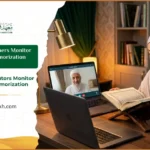
Personalized Hifz learning helps children memorize the Quran at a pace suited to their age and ability. Instead of one fixed plan, teachers adjust lessons to each child’s progress. They can change new verses, revision time, and practice methods based on individual needs.
Children therefore receive focused support without unnecessary pressure. For children who struggle, extra repetition can make memorization easier. Children who progress faster can learn new verses while regularly revising earlier ones.
8 Ways Personalized Hfz Learning Can Benefit Children
1. Allows Children to Memorize the Quran at Their Own Pace
Every child learns differently, and not all children can memorise the same number of verses daily. Personalised Hifdh lessons allow teachers to set realistic targets according to each child’s age, reading ability, and progress.
For example, one child might memorize two short ayahs daily, while another can comfortably memorize five.
The teacher also checks previous lessons before introducing new verses. If a child struggles to remember an ayah, additional practice can be given without rushing ahead.
As a result, children can build their memorization gradually instead of feeling pressured to keep up with other students.
2. Improves Tajweed and Quran Pronunciation Through Individual Attention
Children may memorize Arabic words incorrectly if pronunciation mistakes are not corrected early. Personalized Hifz learning allows teachers to listen carefully and correct each child’s mistakes during recitation.
For example, a teacher can help a child who struggles with Arabic letter sounds or the correct length of vowels.
A typical lesson may involve:
- Listening: Hearing the teacher recite the ayah correctly.
- Repeating: Practicing difficult words several times.
- Correction: Receiving immediate feedback on Tajweed mistakes.
With regular guidance, children can improve their pronunciation while memorising. They also get more opportunities to ask questions about difficult words or recitation rules.
3. Helps Children Remember Memorized Verses for Longer
Memorizing new verses is important, but children also need regular revision to remember what they have learned. Personalised Hifdh lessons give teachers the flexibility to adjust revision according to each child’s memory.
A simple Hifz revision plan can include:
| Revision Type | What Children Practice |
| Sabak | New verses for the day |
| Sabqi | Recently memorized verses |
| Manzil | Older memorized portions |
For example, if a child frequently forgets Surah Al-Mulk, the teacher can include it more often in the revision schedule.
Regularly recalling verses without looking at the Quran also helps strengthen long-term memory.
4. Uses Memorization Methods That Suit Each Child’s Needs
Children may need different kinds of practice when memorising the Quran. Some benefit from listening to a teacher before repeating verses, while others need additional time reading directly from the Mushaf.
Personalised lessons allow teachers to combine these methods according to the child’s progress.
For example, a beginner might first listen to an ayah, repeat it several times, and then recite it without looking.
An older child might practice connecting several memorized ayahs into one continuous recitation.
Teachers can change these activities when necessary. The goal is to find effective practice methods rather than follow one fixed approach.
5. Builds Confidence Through Small and Achievable Hifz Goals
Children can lose confidence when they repeatedly struggle to meet difficult memorization targets. Personalized Hifz learning helps teachers divide larger goals into smaller tasks that children can complete.
For example, rather than asking a beginner to memorise an entire long surah quickly, the teacher may divide it into short daily portions.
Children can also track their progress using a simple memorization chart.
Completing these targets gives teachers opportunities to recognize genuine improvement and encourage continued effort.
Instead of comparing children with faster learners, teachers focus on individual progress. Such support can help children stay motivated throughout their Hifdh journey.
6. Identifies Memorization Difficulties Before They Become Bigger Problems
A child may remember individual ayahs correctly but struggle when joining them together. Another child might repeatedly confuse verses with similar wording.
Personalized Hifz lessons make it easier for teachers to identify these problems through regular listening and testing.
Teachers can then take practical steps:
- Note the ayahs where mistakes frequently occur.
- Practice difficult transitions between verses.
- Review weak portions before introducing more memorisation.
For example, if a child regularly stops between two ayahs, the teacher can ask them to practice both together.
Addressing these difficulties early helps children strengthen weak areas before moving further.
7. Makes Quran Memorization Easier to Manage Alongside School
Children often balance Quran lessons with school, homework, family activities, and rest. A fixed Hifz schedule may become difficult during school examinations or particularly busy weeks.
Personalized learning allows teachers and parents to agree on a manageable routine.
For example, a child may complete a short memorization lesson after school and revise older surahs before bedtime.
During examination weeks, the teacher may temporarily reduce new memorization while keeping essential revision.
A consistent routine is more useful than setting targets the child cannot maintain. Flexible planning helps children continue learning without unnecessarily sacrificing schoolwork, sleep, or other important activities.
8. Helps Parents Support Their Children’s Hifz Progress at Home
Parents play an important role in helping children practice Quran memorization outside their lessons. Personalised Hifz learning allows teachers to explain exactly what each child needs to revise at home.
For example, the teacher may share a weekly update covering:
- Newly memorised verses.
- Surahs that need additional revision.
- Recitation mistakes requiring teacher guidance.
Parents can then set aside a short, quiet practice session and listen to their child’s memorisation.
However, difficult Tajweed corrections should remain under the guidance of a qualified teacher.
Regular communication between parents and teachers helps children receive consistent support throughout their Quran memorization journey.
Final Words
Personalized Hifz learning helps children memorize the Quran with greater confidence, better revision habits, and individual attention. With lessons suited to their abilities, children can make steady progress without unnecessary pressure. Choosing the right teacher and learning plan makes a real difference.
Enroll your child in personalized online Hifz classes for kids at Quran Sheikh and support their Quran memorization journey.